 CityBuddy
 English
Things to Do in Papeete, French Polynesia
Photo made by Ham Chitnupong on Pexels.com
When to visit
Plan your perfect trip to Papeete, French Polynesia
Get a complete travel plan built just for you in under 30 seconds, with daily routes, local food tips, budget estimates and more.
Are any of these especially important to you?
Select all that apply
Plan language: EnglishMost popular attractions in Papeete, French Polynesia
If you are looking for tips on things to do in Papeete, French Polynesia, start at the Marché de Papeete, where from 5:30 a.m. to 5:00 p.m. they sell flowers, vanilla, and mother of pearl. Take a walk along the Boulevard Pomare Waterfront with views of the harbor. Nearby stands the Cathédrale Notre-Dame de Papeete, a stone church from 1875 with a carved wooden altar.
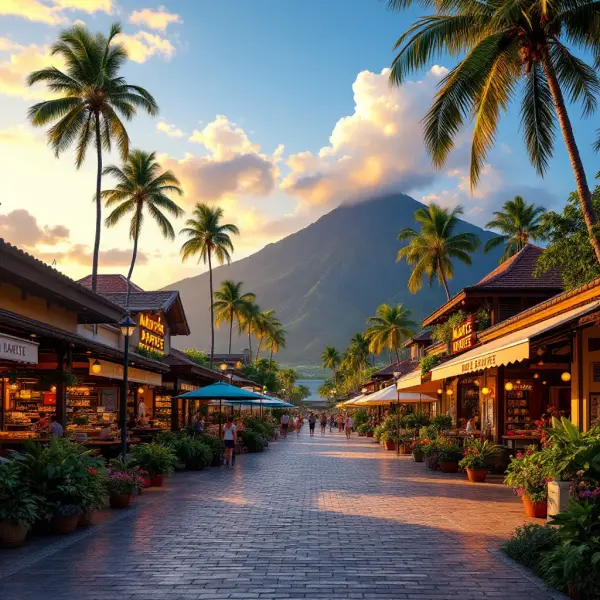
1. Marché de Papeete
Wake up to real Polynesia among vanilla, mother of pearl and fresh fruit. You will taste fafaru, browse handwoven pareu and try coconut bread straight from the bakers.
Quick facts: Over 10,000 visitors pour in every day to soak up the atmosphere of the largest market in all of French Polynesia. Vendors offer freshly caught tuna weighing up to 50 kilograms, alongside vanilla pods from the island of Tahaa and mother-of-pearl jewelry from the Manihi atoll.
Highlights: In the sweltering morning you will see fishermen gutting several-hundred-kilogram tuna and swordfish with sharp machetes right before your eyes, while nearby coffee and fried bananas perfume the air. On weekends, the courtyard hosts dance performances in traditional pareu, where local women weave hibiscus crowns right in front of tourists.
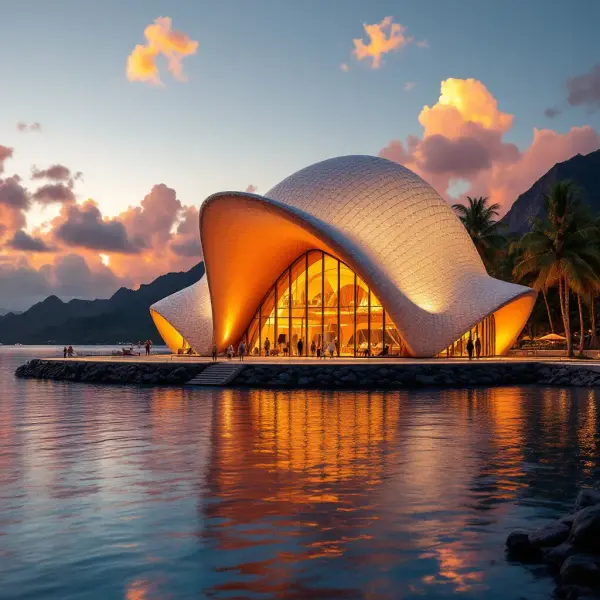
2. Musée de la Perle
You will see the rarest black pearls in the world and get a glimpse into the secrets of their cultivation. With your own eyes you will see how a shiny treasure of the ocean is born from a tiny grain of sand.
Quick facts: The exhibition halls house over 800 species of pearl oysters and shells from across the Pacific. Visitors can view unique black pearls that have been harvested in Polynesia for centuries.
Highlights: In one of the display cases lies a pearl measuring 21 millimeters in diameter, one of the largest black pearls in the world, which changes color depending on the angle of the light. Every day at noon a master pearl worker comes to show how pearls are sorted by luster and shade with the naked eye.
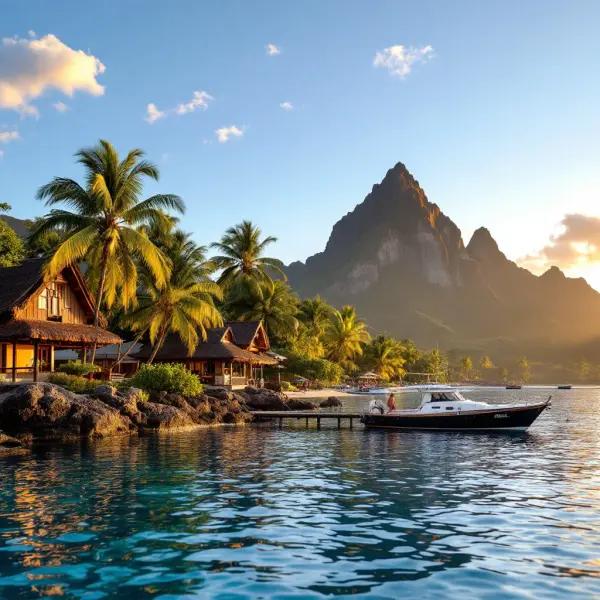
3. Place Vai'ete
Taste real Polynesian street food, where the scents of grill, vanilla and sea breeze mix. You will sit at a plastic table under the stars and let yourself be carried away by the rhythm of Tahitian music.
Quick facts: Every evening over 20 food trucks converge here, creating one of the largest street food markets in all of Polynesia. Under the open sky, up to a thousand locals and tourists sit down to eat at two hundred plastic tables night after night.
Highlights: Among the stalls you will come across the legendary "roulotte" called Chez Mado, which has been cooking the same recipes since the 1980s and whose grilled mahi-mahi with vanilla sauce is one of the most sought-after dishes in the whole market. The air blends the smell of grilled meat, sweet pineapples, and smoke from open fires, while live Tahitian music plays through speakers from a nearby bar.
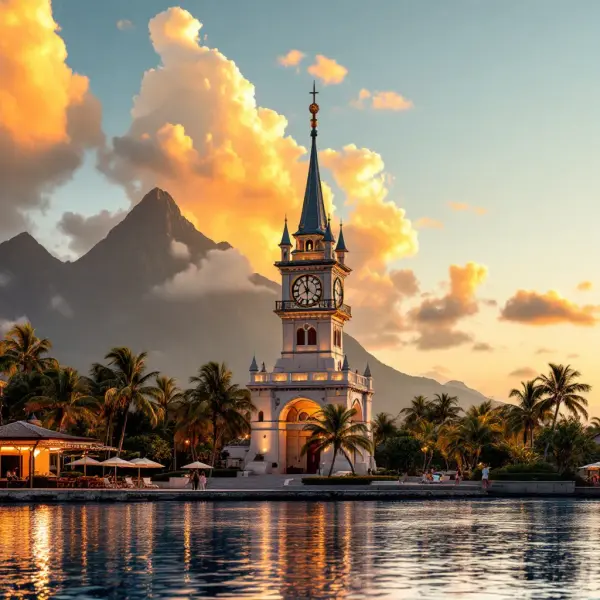
4. Tour de l'Horloge
The only surviving watchtower in all of Polynesia offers a view you will not forget. Climb up and see the city, the ocean and Moorea from a bird's eye perspective.
Quick facts: This four-story stone tower dates from the late 1860s and rises 30 meters above the surrounding buildings. Although it served as both a watchtower and a prison, its main task today is to house the city clock, whose chimes can be heard throughout the center.
Highlights: At its top hangs a bell weighing 450 kilograms that rings every full hour, its booming tone blending with the sound of waves from the nearby harbor. When you climb the 82 steep stone steps to the top, a view of the city rooftops, coral reefs, and on a clear day even the island of Moorea in the distance awaits you.
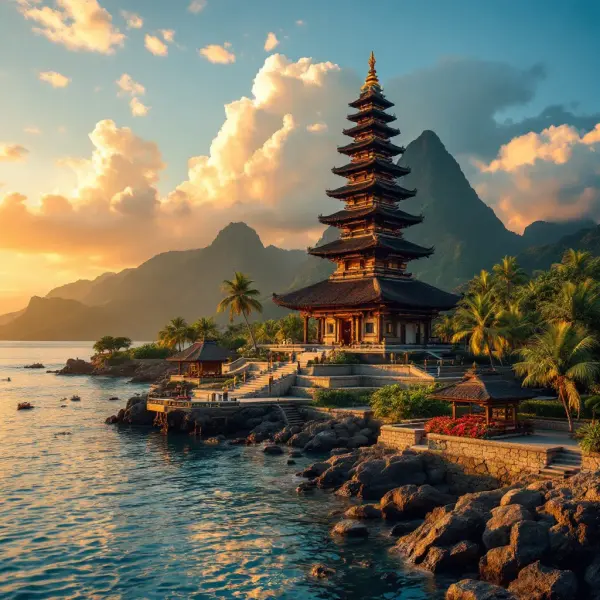
5. Temple de Paofai
A place where the story of the first missionaries blends with the loud singing of coral walls. Sit on a bench made of tomano wood and let true Polynesian spirituality breathe over you.
Quick facts: The temple is the oldest Protestant church on Tahiti, built from coral blocks and local wood. Every Sunday over 500 worshippers arrive in traditional white clothing, creating an unforgettable atmosphere.
Highlights: During the Sunday service, the space fills with live singing accompanied by a single harmonium, sounding as if it descends directly from heaven. Local women wear tiare flower garlands on their heads, their intoxicating fragrance mingling with the smell of old wood and sea breeze.
Where to Stay in Papeete, French Polynesia
Selected by City Buddy based on guest reviews and proximity to top attractions
Search all hotels in Papeete, French PolynesiaPowered by agoda
Traditional Sweet Dishes
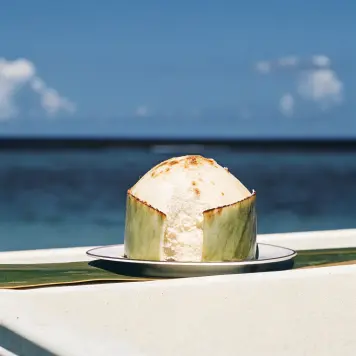
Po'e
Po'e is a traditional Tahitian fruit pudding made by wrapping mashed bananas or other fruits in banana leaves and baking them in an underground oven called an ahima'a. The result is a dense, sweet, and aromatic dessert with a distinctive caramelized flavor.
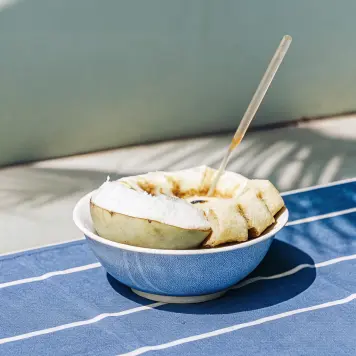
Firi Firi with Coconut Syrup
Firi firi are deep-fried twisted doughnuts made from rice flour and coconut milk, often served for breakfast or as a dessert. They are typically drizzled with sweet vanilla-infused coconut syrup for an extra tropical touch.
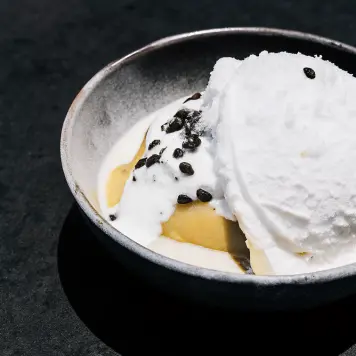
Tahitian Vanilla Po'e
This variation of po'e uses Tahitian vanilla beans, which are considered some of the finest in the world for their rich, floral aroma. The pudding is often served cold with fresh coconut cream poured on top.
Traditional Savory Dishes
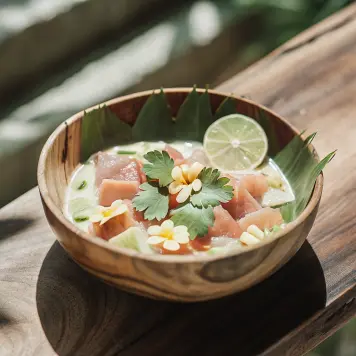
Poisson Cru
Poisson cru, meaning "raw fish" in French, is the national dish of French Polynesia, made with fresh tuna marinated in lime juice and coconut milk. It is often compared to ceviche but has a distinctly creamy, tropical Tahitian character.
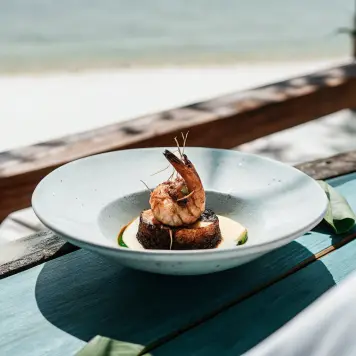
Chevrettes a la Vanille
This dish features freshwater shrimp from Tahiti's rivers, cooked in a sauce made with local vanilla bean and coconut milk. The sweet vanilla perfectly complements the delicate flavor of the shrimp, creating a uniquely Polynesian fusion.
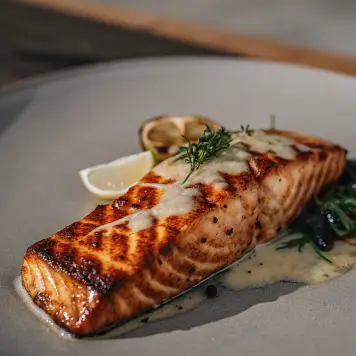
Mahi Mahi with Vanilla Sauce
Mahi mahi, or dorado, is a staple fish in Papeete, often grilled and served with a creamy vanilla bean sauce. Tahitian vanilla is used in savory cooking as frequently as in sweets, adding a surprising but delicious depth to the fish.
Traditional Beverages
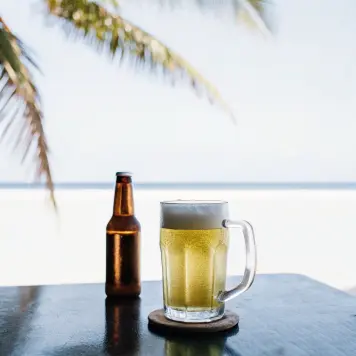
Hinano Beer
Hinano is the iconic lager of Tahiti, brewed in Papeete since 1955 using pure volcanic spring water. It is named after the Hinano flower and is the essential drink to accompany any meal in French Polynesia.
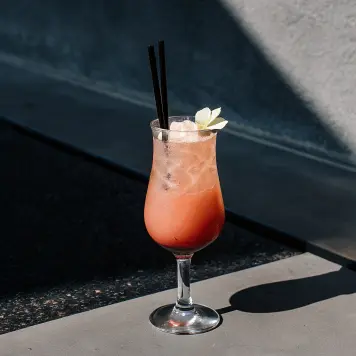
Maitai Cocktail
While invented in California, the maitai became a signature drink of Papeete, where locals make it with aged Tahitian rum, fresh lime juice, orange curaçao, and orgeat syrup. In Tahiti, it is often garnished with a floating gardenia or orchid.
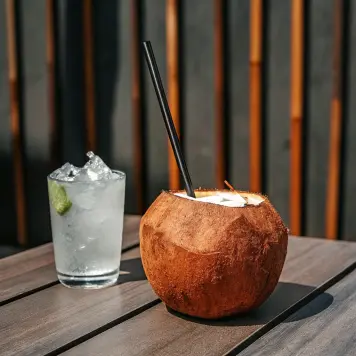
Eau de Coco
Fresh coconut water, or eau de coco, is sold everywhere from roadside stands and food trucks in Papeete, served ice cold straight from the coconut. It is the most refreshing way to beat the tropical heat and is considered a natural electrolyte drink.
Frequently Asked Questions about Papeete, French Polynesia
Is Papeete, French Polynesia safe?
How many days to spend in Papeete, French Polynesia?
When is the best time to visit Papeete, French Polynesia?
Is Papeete, French Polynesia expensive?
How to get around Papeete, French Polynesia?
Get a PDF with the most popular attractions sent to your email
Get a PDF with all attractions, ratings, and tips. Perfect for offline use.
Most popular day trips
Moorea Island
Stunning sister island with lush mountains, pristine beaches, and world-class snorkeling
Bora Bora
Iconic lagoon paradise with overwater bungalows and Mount Otemanu views
Tetiaroa Atoll
Pristine private atoll nature reserve with bird sanctuaries and white sand beaches
Huahine Island
Authentic Polynesian island known for ancient temples and blue lagoon
Raiatea and Taha'a
Sacred Polynesian islands with vanilla plantations and coral gardens
Getting there
Airports
From Faa'a Airport, take a taxi (10 minutes, 15-20 USD) or the airport shuttle bus into central Papeete. No train service exists on Tahiti.
Click to get eSim for Papeete, French Polynesia
The easiest and most affordable way to get mobile internet wherever you travel.
Comments (6)
The humidity in December was brutal. Loved the black pearl shopping and the waterfront at sunset though. Wish we had skipped the museum.
Papeete surprised me. Way more chaotic than I expected but the food stalls at night were incredible. 3 days was enough here though.
The Marché de Papeete is a must in the morning. Fresh fruit, local crafts, just get there before 8am before the cruise crowds show up.
Bring cash everywhere. So many places in Papeete don't take cards especially the smaller food places and the market. ATM fees add up fast.
Skip the tourist restaurants on Boulevard Pomare. Walk two blocks inland near the market area and you'll find the real Tahitian food for half the price.